Insights and tips for better storage organization
A winterizing checklist for RVs and boats that covers the part every list skips: what came off, which bin it went into, and how to find it all in April.
How to store Christmas lights, ornaments, the tree and the wreaths so nothing breaks or tangles, and how to know which bin holds what when December comes back.
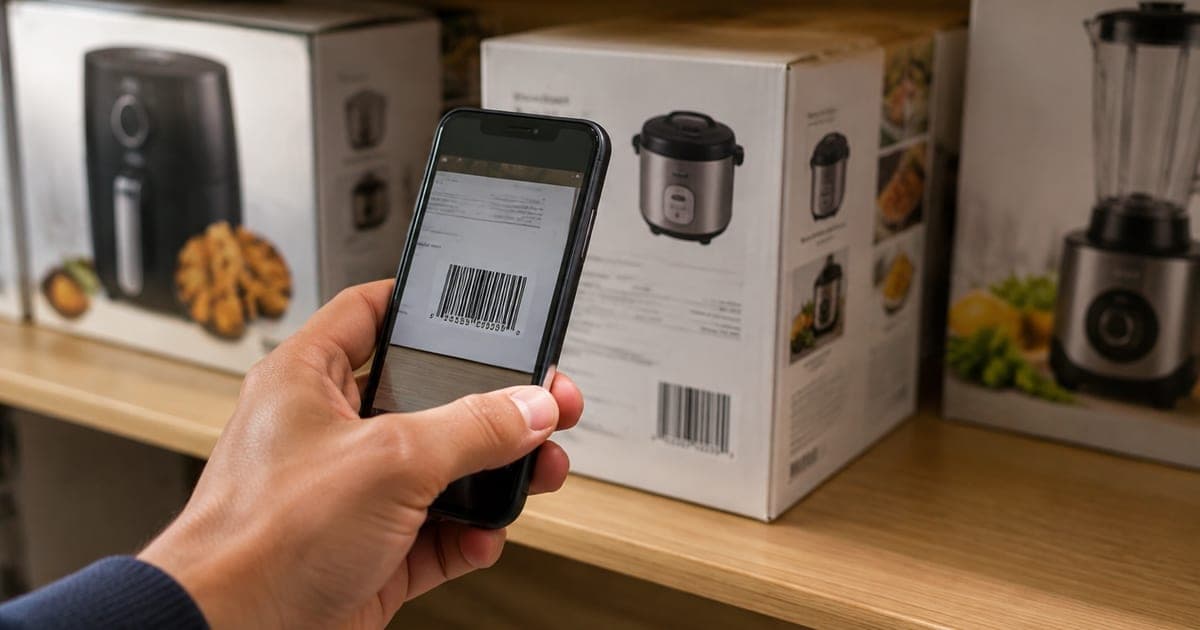
What a barcode scanner adds to a home inventory app, where it stops helping (most of what you own has no barcode), and the photo-first method for the rest.
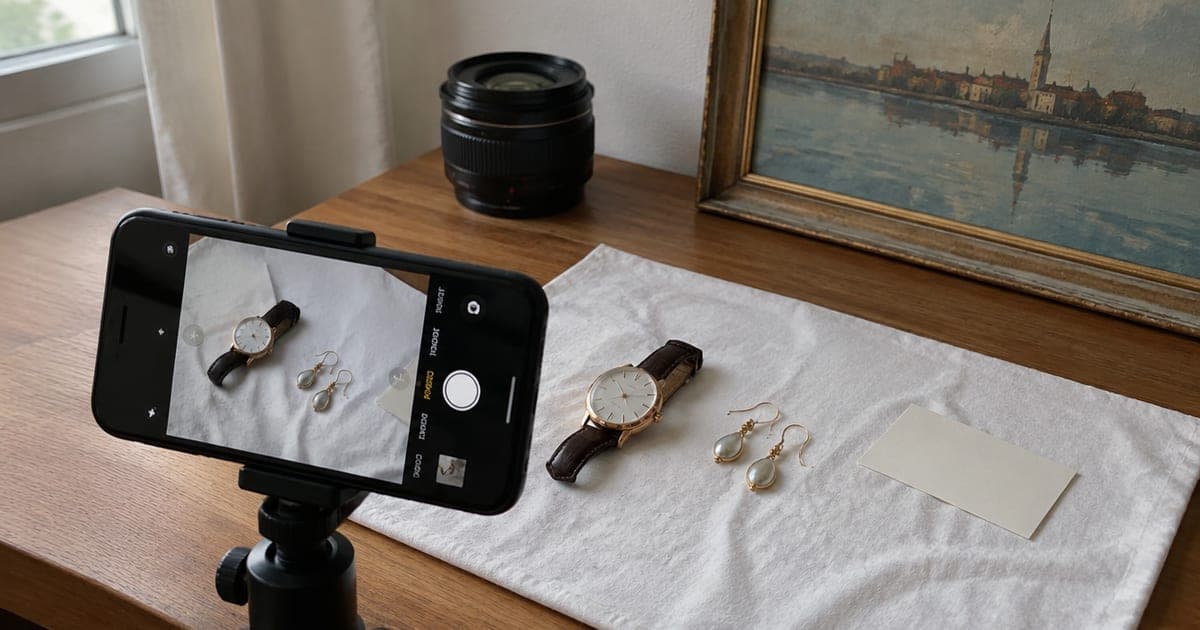
The photos that make a home inventory useful later: what to shoot for jewelry, art, electronics and collections, plus serials, receipts and where to keep them.
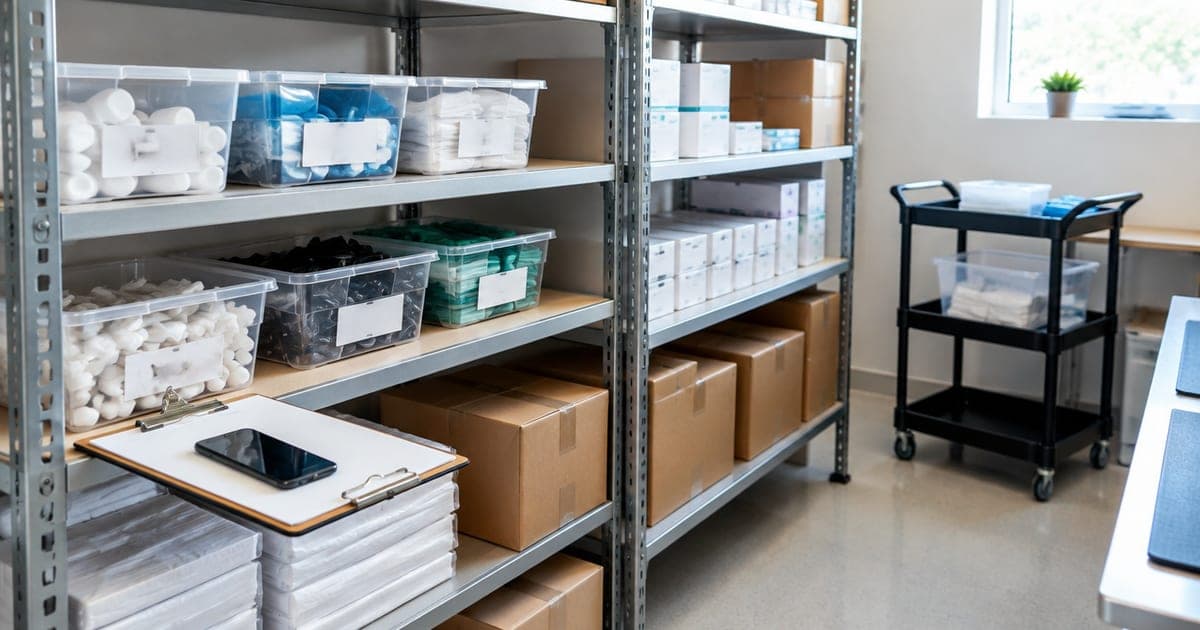
A photo-first way to track inventory for a small business that sells or uses physical stuff: bins, QR labels, a shared search bar, and no barcode hardware.
A tool tracking system for small crews: truck-level inventories, a check-out list for who has what, photo records for theft claims, and no hardware to buy.
Church inventory management for volunteer teams: track supplies, equipment and donations with photos and QR labels, so the list survives every handover.
A storage unit layout that still works a year later: a center aisle, shelving on one wall, boxes sorted by how soon you'll need them, and a map of the unit.
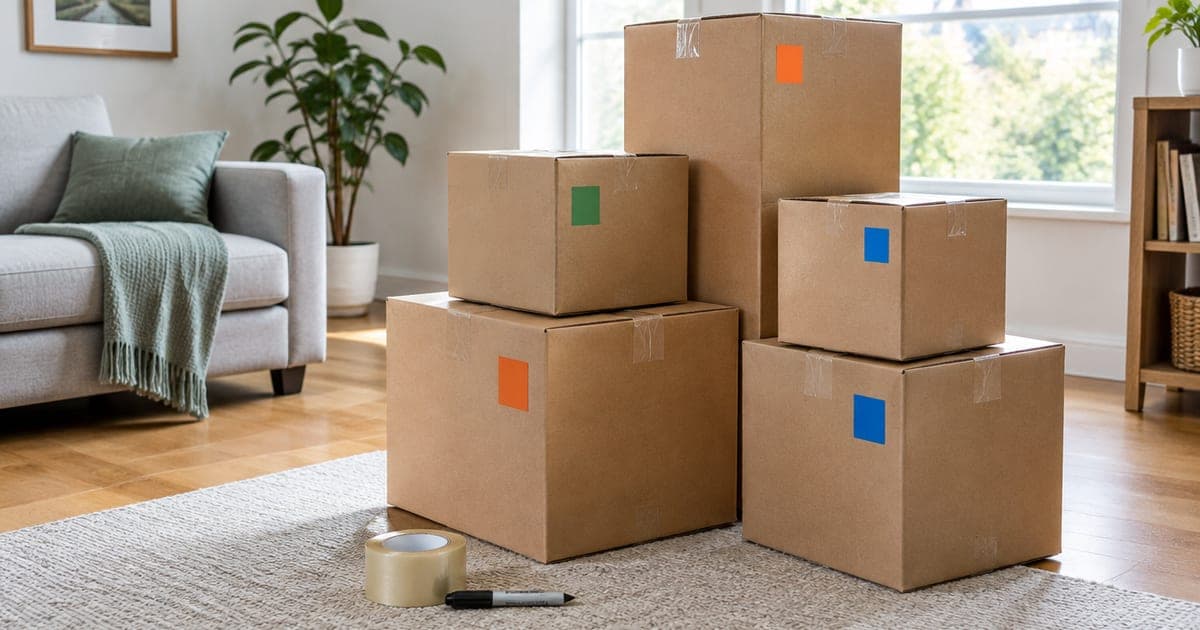
The three moving box labeling systems that actually work, what to write on every box, where the label goes, and how each one holds up on unpacking night.
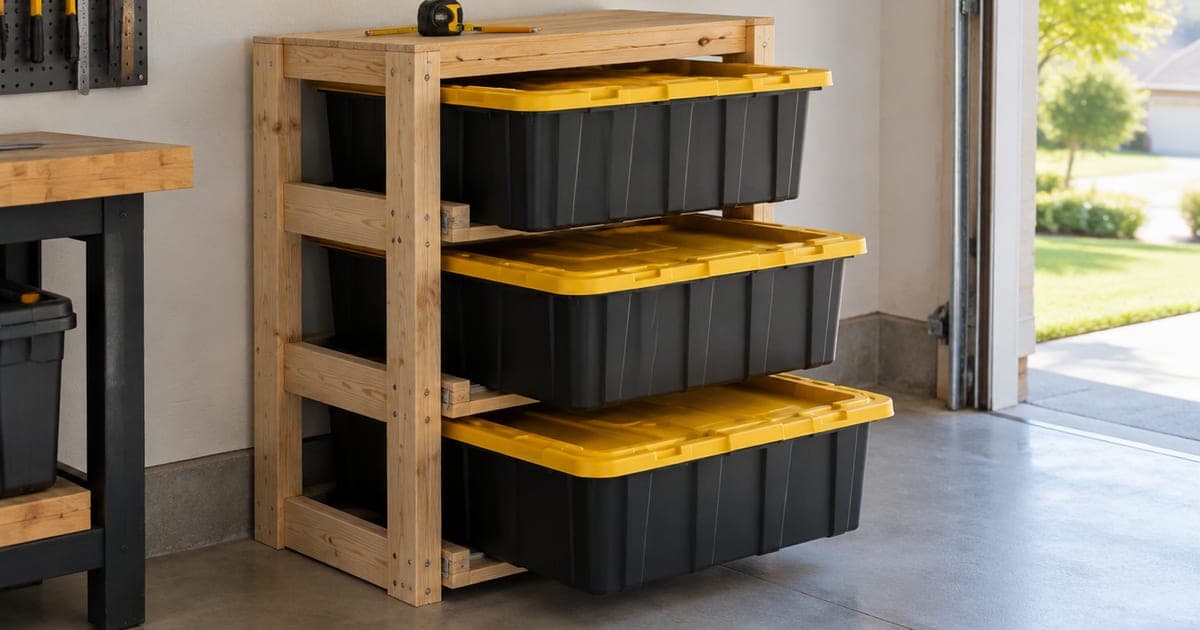
Free 27-gallon tote rack plans: tote dimensions by brand (Costco, Home Depot, Lowe's, Sam's Club), a 12-tote cut list, the cost, and a free printable PDF.
Home Assistant knows every light in your house and nothing about what is in the bins. Point it at SnapFind's MCP server and ask your house where things are.
SnapFind Teams now runs an MCP server, so Claude, ChatGPT, Cursor and Claude Code can read everything you own. Ten real prompts, the setup, what it can't touch.
How QR codes for storage bins work, which labels to buy or print, where to stick them, and a four-step setup that makes a wall of totes searchable.
If a wildfire or flood gave you one hour of warning, could you document your home? The fast video-and-photo method that produces claim-ready evidence.
The honest resale value of the stuff in your garage, by category — plus a sell/donate/toss framework that accounts for the thing nobody prices: time.
A room-by-room moving inventory checklist that takes minutes per box and saves days on the other end — what to label, and how to unpack in order.
The real reason you procrastinate tidying up isn't laziness — it's decision fatigue. Stop deciding where things go and let your inventory decide.
How to build a DIY tote storage rack (or tote shelf) from 2x4s in one afternoon: tools, build steps, and free printable PDF plans sized to your totes.
How to make a home inventory for insurance: what an itemized list of your belongings includes, and a room-by-room photo plan you can finish in a weekend.
Most garage organization fails within three months. Here's a system built to survive real life: simple zones, labeled bins, and a searchable inventory.
You're paying monthly for a room of boxes you can't remember. Here's how to inventory a storage unit with photos and QR codes and search it from home.
Most storage advice is written for the day you finish organizing. These five rules are written for month eight, when nobody is labeling anything.
Most DIY tote racks fail on a measurement, not a cut. Here are the four numbers that decide whether your rack works — and when to just buy shelving.
An honest look at photo recognition for cataloging your stuff: the boring part it solves, the things it fumbles, and why the real win isn't intelligence.
An honest sort through the gadgets and apps people reach for when they move: what earns its keep on unpacking night, and what wastes an evening.